
Forex Trading Basics: A Beginner’s Guide to Success
Forex trading, or foreign exchange trading, is the process of buying and selling currencies in the global market. It is one of the largest and most liquid financial markets in the world, with a daily trading volume exceeding $6 trillion. For beginners, entering the world of forex can be both exciting and intimidating. This guide aims to introduce the fundamentals of forex trading, providing you with the essential knowledge to start your journey in this dynamic market. Whether you are looking to make a part-time income or a full-time career, understanding the basics is key. For more tailored advice and resources, you can check out forex trading basics beginners guide Forex Brokers in Jordan.
What is Forex Trading?
Forex trading involves trading currency pairs in the global financial market. In a currency pair, one currency is bought while the other is sold. The most commonly traded pairs include EUR/USD, USD/JPY, and GBP/USD. The first currency in the pair is known as the base currency, and the second is the quote currency. For example, if the EUR/USD pair is trading at 1.20, it means that 1 Euro is equal to 1.20 US Dollars.
The Importance of Leverage
One of the defining features of forex trading is leverage. Trading with leverage allows traders to control larger positions than their actual capital would allow. For instance, a leverage of 100:1 means that for every $1, a trader can control $100 in the market. While leverage can significantly increase potential profits, it also amplifies potential losses, making it essential for beginners to use it wisely.
Understanding the Forex Market
The forex market operates 24 hours a day, five days a week, with trading sessions in major financial centers around the world, including London, New York, Tokyo, and Sydney. This round-the-clock nature means that traders can find opportunities at any time. However, it also requires a clear understanding of when to trade and when to avoid trading, as volatility can vary significantly across different times of the day.
Basic Terminology in Forex Trading
Before diving into forex trading, it is essential to familiarize yourself with some basic terminology:
- Bid price: The price at which the market will buy a specific currency pair from you.
- Ask price: The price at which the market will sell a specific currency pair to you.
- Spread: The difference between the bid and ask price, representing the broker’s profit on each trade.
- Pip: The smallest price movement that can occur in currency pairs, typically the fourth decimal place (0.0001).
- Lot: A standardized quantity of currency in forex trading, usually 100,000 units for a standard lot.
Developing a Trading Plan

A trading plan is crucial for any trader, especially for beginners. It outlines your trading goals, risk tolerance, and the strategies you will employ. A well-defined trading plan should include:
- Your trading objectives: Define what you want to achieve with your trading.
- Risk management strategies: Determine how much risk you are willing to take on each trade and employ stop-loss orders to protect your capital.
- Entry and exit strategies: Specify the criteria for entering and exiting trades based on technical analysis, market conditions, or news events.
Types of Analysis in Forex Trading
Successful trading requires understanding how to analyze the market. There are three main types of analysis used by traders:
1. Fundamental Analysis
This involves evaluating economic indicators, news releases, and geopolitical events that can affect currency values. Key indicators include GDP growth rates, employment statistics, and interest rates.
2. Technical Analysis
Technical analysis focuses on historical price data, using charts and indicators to identify patterns and trends. Tools such as moving averages, Bollinger Bands, and RSI (Relative Strength Index) are commonly used.
3. Sentiment Analysis
Sentiment analysis gauges the mood of the market, determining whether traders are bullish or bearish on a particular currency pair. This can be assessed through surveys, sentiment indexes, and analyzing the actions of large market players.
Choosing a Forex Broker
Choosing the right forex broker is crucial for your trading success. When selecting a broker, consider the following factors:
- Regulation: Ensure that the broker is regulated by a reputable authority.
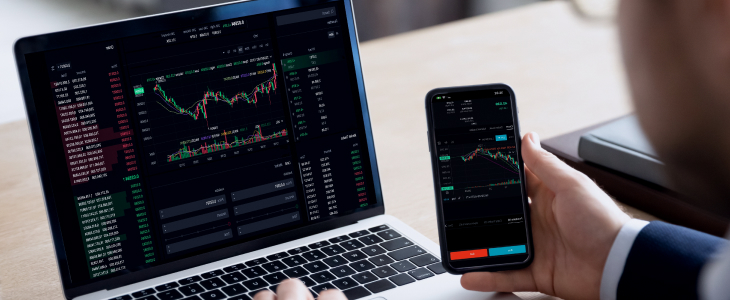
- Trading platform: Choose a broker that offers a user-friendly platform with the necessary features and tools for analysis.
- Leverage and spreads: Compare leverage options and spreads among different brokers.
- Customer support: Look for brokers that offer responsive customer service support.
Practice with a Demo Account
Before using real money, it is advisable for beginners to practice trading with a demo account. Most brokers offer demo accounts that allow you to trade with virtual funds, enabling you to gain experience without risking your capital. It is an excellent way to test different trading strategies and become familiar with the trading platform.
Start Small and Scale Up
When you decide to start trading with real money, it is wise to begin with a small investment. This allows you to minimize your risk while gaining practical experience. As you become more confident in your trading abilities and as you refine your strategies, you can gradually increase your trading size.
Maintain Emotional Discipline
Emotional discipline is one of the biggest challenges traders face. Fear and greed can lead to impulsive decisions, which may result in significant losses. Successful traders develop a disciplined mindset, stick to their trading plans, and avoid emotional trading. Techniques such as journaling your trades and reviewing your emotional responses can help maintain this discipline.
Continuously Educate Yourself
The forex market is continually evolving, and successful traders commit to ongoing education. Attend webinars, read books, and follow reputable forex trading websites to stay updated on market trends, strategies, and economic news. Networking with other traders can also provide valuable insights and different perspectives.
Conclusion
Forex trading can be a rewarding venture if approached with the right knowledge, strategies, and discipline. As a beginner, focusing on the fundamentals, creating a solid trading plan, and continuously learning will pave the way for success. Remember to start small, always practice good risk management, and never stop improving your trading skills. Embrace your learning journey, and soon you will find your place in the exciting world of forex trading.